The ADR in 3 Points
- Essential regulations for safety: The ADR governs the transport of dangerous goods by road to prevent the risk of accidents, fires, explosions, and pollution, while protecting people and the environment.
- Requirements for all parties involved: shippers, carriers, and drivers must comply with specific requirements regarding classification, packaging, labeling, shipping documents, and training.
- Compliance must be verified for each shipment: the applicable rules depend on the nature of the goods, their hazard class, and the quantities being transported.
The transport of hazardous materials— whether chemicals, flammable gases, or toxic substances— involves responsibilities and requires precautions. To protect people, property, and the environment, this activity is subject to specific regulations designed to govern transport conditions and prevent risks. This is where the ADR regulations come into play. But what exactly do they entail, and why are they essential for companies that transport hazardous materials?
In this article, we’ll help you easily understand the principles of ADR, its key requirements, and the consequences of noncompliance with these regulations.
What is ADR?
The ADR (European Agreement concerning the International Carriage of Dangerous Goods by Road), signed in Geneva on September 30, 1957, and which entered into force on January 29, 1968, is the primary regulatory framework governing the international transport of dangerous goods by road. Its purpose is to prevent risks associated with the transport of these substances, while ensuring the safety of cross-border trade.
To take into account technical, regulatory, and environmental developments, the ADR is revised every two years, in odd-numbered years. In France, it is supplemented by the decree of May 29, 2009, on the transport of dangerous goods ( TMD decree). It is structured around two annexes:
- Appendix A: It sets forth the rules regarding the classification of dangerous goods, packaging, UN numbers, and labeling.
- Appendix B: It sets forth the rules regarding vehicles, their equipment, their operation, and driver training.
More broadly, these regulations govern several key aspects of the transport of dangerous goods, including:
- Packaging and Labeling of Goods
- Vehicle Features and Equipment
- Qualifications and Requirements for Drivers and Carriers
- Product Safety Information
The ADR thus helps harmonize practices and regulatory requirements across Europe to ensure that dangerous goods are transported under safe conditions.
Which products are subject to ADR regulations?
Hazardous materials are classified into 9 classes or categories to identify the nature of the hazard posed by a hazardous material during transport. These classifications help determine the risks associated with a product and the precautions that must be taken to transport it safely.
Specifically, they make it possible to determine:
- Packaging requirements: the type of packaging to be used and the requirements that must be met.
- Labeling: Hazard pictograms to be placed on packages and containers.
- Transportation requirements: rules to be followed based on the nature of the product.
- Safety precautions: how to handle, store, and transport the goods.
- Required equipment: safety equipment that must be provided, particularly for vehicles and drivers.
| ADR Class | Type of hazardous material | Examples |
|---|---|---|
| Grade 1 | Explosives | TNT, dynamite, fireworks, ammunition, detonators |
| Grade 2 | Gas | Propane, butane, oxygen, nitrogen, helium, ammonia, chlorine |
| Grade 3 | Flammable liquids | Gasoline, acetone, ethanol, methanol, thinners, varnish |
| Grade 4 | Flammable solids | Sulfur, celluloid, white phosphorus, activated carbon, magnesium shavings |
| Grade 5 | Oxidizing substances and organic peroxides | Hydrogen peroxide, ammonium nitrate, potassium permanganate, sodium chlorate, benzoyl peroxide |
| Grade 6 | Toxic and Infectious Substances | Cyanides, arsenic, toxic pesticides, infectious medical waste, infectious biological samples |
| 7th Grade | Radioactive Materials | Uranium, cobalt-60, iridium-192, technetium-99m, isotopes used in nuclear medicine |
| Grade 8 | Corrosive substances | Sulfuric acid, hydrochloric acid, nitric acid, phosphoric acid, caustic soda, battery electrolyte |
| 9th Grade | Miscellaneous Hazardous Materials and Objects | Certain lithium batteries, asbestos, dry ice, and substances hazardous to the environment |

Why is ADR so important?
The ADR regulations play a vital role in the transport of dangerous goods. They provide a framework for this activity to limit the risk of accidents, protect people and the environment, and ensure that companies comply with regulatory requirements. A uranium leak or an ethanol spill would have serious consequences for both human health and the environment.
- Ensuring People’s Safety: The ADR establishes specific rules to minimize the risks of fire, explosion, poisoning, or leakage of hazardous materials. It helps protect various stakeholders (drivers, warehouse workers, other road users, etc.).
- Protecting the Environment: Improper handling or an accident involving hazardous materials can lead to soil, water, and air pollution. The ADR requirements help reduce these risks through appropriate rules governing the packaging, loading, and transport of these products.
- Ensuring Regulatory Compliance for Businesses: Businesses that ship or transport dangerous goods must comply with specific requirements. The ADR specifies, in particular, the requirements for packaging, labeling, transport documents, and training for relevant personnel.
- Harmonizing International Transportation Rules: The ADR establishes common rules among signatory countries. This facilitates trade between countries by applying the same rules to the transport of dangerous goods by road.
- Minimizing Financial and Legal Risks: Failure to comply with ADR requirements can result in penalties, vehicle impoundments, delivery delays, and may expose companies to liability in the event of an incident.
What are the requirements for ADR transportation?
The transport of dangerous goods involves several parties, each of which has responsibilities defined by ADR regulations.
The Shipper's Obligations
The shipper is responsible for ensuring that dangerous goods are properly prepared before they are accepted by the carrier. In particular, the shipper must:
- Identify and classify goods in accordance with ADR criteria.
- Use approved packaging that is appropriate for the nature and hazards of the products being transported, when required.
- Ensure that packages are marked and labeled in accordance with regulatory requirements.
- Provide the carrier with the necessary information, including the UN number, the proper shipping name, the hazard class, and the quantities being transported.
- Prepare or have prepared the ADR transport document, including all required information.
- Comply with the restrictions and conditions of carriage that apply to the goods being shipped.
He must also ensure that the goods are properly prepared and handed over to the carrier in accordance with regulations.
The Carrier's Obligations
The carrier is responsible for transporting dangerous goods in accordance with the safety requirements set forth in the ADR. Before and during transport, the carrier must, in particular:
- Check the shipping documents and make sure the required regulatory information is on board the vehicle.
- Ensure that the vehicle complies with regulations, particularly with regard to its safety equipment and certification documents.
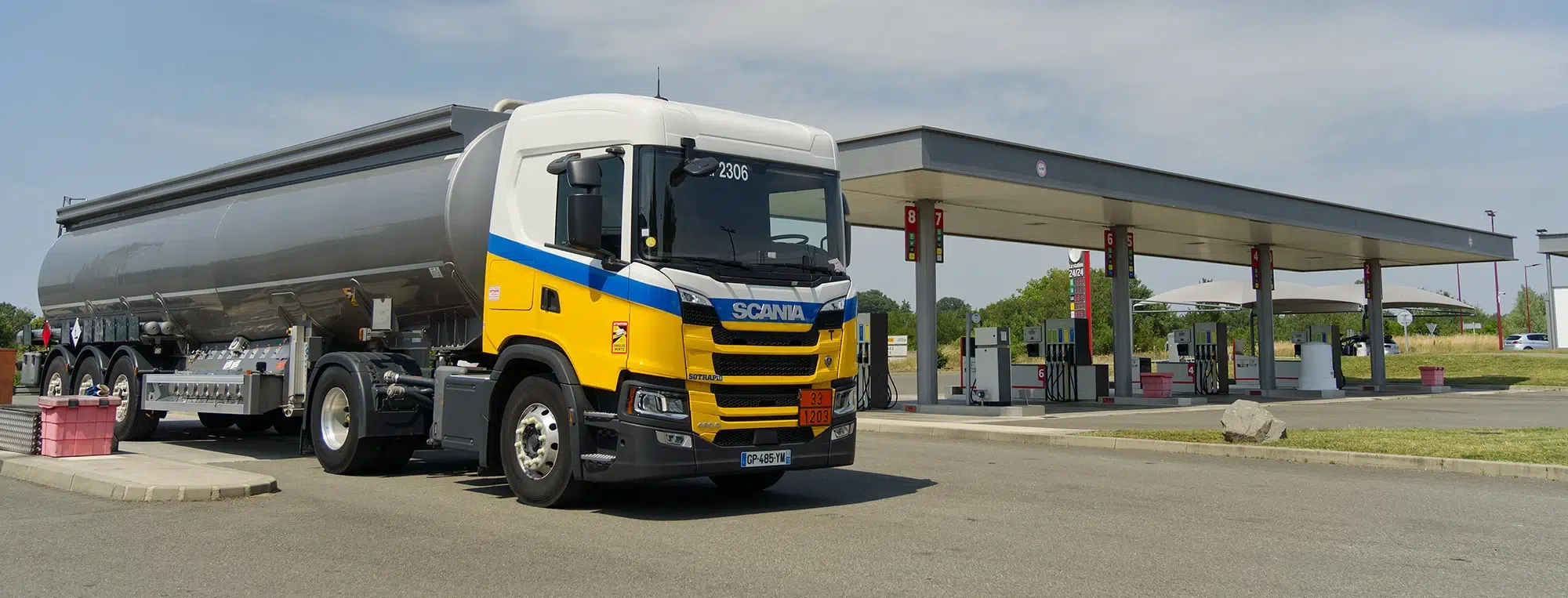
- Check the vehicle's signage to ensure it includes orange plates and warning signs where required.
- Ensure that the driver has the necessary training and authorizations to perform the transport.
- Provide written safety instructions and the required regulatory equipment.
- Ensure compliance with transportation requirements, particularly with regard to safety and risk prevention.
The Driver's Responsibilities
The driver bears his share of responsibility for the safety of ADR transport and for compliance with ADR regulations.
- ADR training for drivers: a training certificate valid for 5 years, renewable after completing a refresher course.
- Written instructions: a 4-page form provided by the carrier, separate from the transport document, in a language the crew understands.
- Signage: orange signs and, as appropriate, labels on the vehicle.
- Onboard equipment: fire extinguishers and protective equipment required by the ADR.
What documents are required for ADR transport?
The transport of dangerous goods requires several documents to identify the products being transported, ensure the safety of the shipment, and verify compliance with ADR regulations.
Some of the main documents you'll need to provide include:
- The ADR transport document: It contains essential information about the goods, such as their UN number, official name, hazard class, and packaging group (if applicable), as well as the quantities being transported and the contact information for the shipper and consignee.
- Written safety instructions: These specify the steps to take in the event of an accident, fire, leak, or spill of hazardous materials.
- The driver's ADR training certificate: It certifies that the driver has the necessary qualifications to transport certain categories of dangerous goods.
- Vehicle certification: This is required for certain vehicles, such as tanker trucks and those subject to specific technical requirements.
- Photo ID: Each team member must be able to provide proof of identity.
Other supporting documents may also be required depending on the nature of the goods and the terms of transport, such as certain administrative permits, documents related to tankers, or the hazardous waste tracking form.
It is important to note that these requirements vary depending on the situation. For example, the so-called “1,000-point exemption” allows for certain regulatory requirements to be waived when the quantities transported remain below the authorized thresholds. However, the transport document is still required.
Finally, the safety data sheet— particularly Section 14, which covers transportation — is a valuable tool for identifying hazards and determining the requirements that apply to a product. However, it does not replace the ADR transport document.
What are the exceptions to the ADR regulations?
The ADR regulations provide for various exceptions to waive certain requirements, depending on the type of goods being transported, the quantities, and the conditions of transport. However, this does not mean that the transport is completely exempt from all safety rules.
In particular, individuals may transport certain dangerous goods for personal or household use, provided they are properly packaged and comply with regulatory limits.
As for businesses, they can also benefit from relief, particularly through the “1,000-point rule,” which simplifies certain obligations when the quantities transported remain below the specified threshold. Similarly, goods packaged in limited quantities or exempted from certain requirements are subject to specific provisions. Certain shipments carried out as part of a business’s primary activity may also be exempt under certain conditions.
Finally,empty packaging that previously contained dangerous goods may be subject to special provisions, provided that any residual risks are controlled.
These exceptions allow for certain ADR requirements to be relaxed, but do not necessarily mean a complete exemption from regulation. We recommend that you verify the conditions applicable to each shipment.
What training courses are required for ADR transport?
In France, mandatory ADR training depends on the role of the individuals involved in the transport of dangerous goods: drivers, handling personnel, shippers, or other personnel. Depending on the job, ADR regulations provide for several levels of training.
Staff Training (ADR 1.3)
Anyone whose duties involve the transport of dangerous goods must receive training appropriate to their responsibilities. This training covers the risks associated with the products being handled, safety rules, and the procedures to be followed. It applies, for example, to individuals responsible for shipping, packaging, loading, or unloading. This training must be updated as duties or regulations change.
ADR Training for Drivers (ADR 8.2)
Drivers who transport dangerous goods subject to this requirement must hold an ADR certificate, which is obtained after completing training and passing an exam administered by an accredited organization. The basic training is supplemented, if necessary, by specialized training depending on the type of transport being carried out: tankers, Class 1 (explosive substances), or Class 7 (radioactive materials), for example.
Not all drivers are automatically required to hold an ADR certificate; certain exemptions apply. However, other employees involved in the transportation process must receive training appropriate to their duties and the risks to which they are exposed.
What are the penalties for noncompliance with the ADR?
If you fail to comply with the ADR, you may face various penalties: fines, mandatory compliance before departure, vehicle impoundment, criminal prosecution, and, in the most serious cases, imprisonment.
- Fines of up to €1,500 for certain 5th-class traffic violations.
- Penalties of up to 1 year in prison and a fine of €30,000 for certain serious offenses.
- Stricter penalties of up to 3 years in prison and a fine of €250,000 in certain situations that pose a serious risk to the environment.
This may be due to several violations that can be detected during a traffic stop, such as thethe absence of required transport documents, a lack of safety equipment, orfailure to comply with loading and securing regulations.
In the event of noncompliance, several individuals in the transportation chain may be held liable:
- The shipper, who is responsible, among other things, for ensuring that dangerous goods are properly classified and declared.
- The loader, which must comply with the applicable loading regulations.
- The carrier, who must ensure that the vehicle, equipment, and documents comply with regulations.
- The driver, who must comply with safety guidelines and fulfill his or her obligations.
- The recipient, who must comply with the obligations related to receipt and unloading.
FAQ on ADR Regulations
How long is a driver's ADR training valid?
A driver’s ADR training is valid for 5 years from the date of passing the initial basic training exam. To extend the certificate for another 5 years, the driver must complete refresher training and pass the exam before the expiration date. However, obtaining a specialization (tankers, petroleum products, Class 1, Class 7) does not change the expiration date of the basic certificate.
Does the ADR apply to transportation in France?
The decree of May 29, 2009, on the transport of dangerous goods by land is the national legislation governing the application of regulations regarding the transport of dangerous goods in France. It transposes and supplements the provisions of the ADR (Agreement on the International Carriage of Dangerous Goods by Road), in accordance with the European regulatory framework.
Although the ADR was originally an international agreement aimed at harmonizing the rules governing the transport of dangerous goods by road among the signatory countries, its application is not limited to cross-border trade. France has, in fact, extended its application to transport operations carried out within its national territory by incorporating it into its domestic law through the TMD decree.
Who determines the criteria for classifying dangerous goods?
The criteria for classifying dangerous goods are established at the international level by the United Nations (UN), specifically by the Committee of Experts on the Transport of Dangerous Goods.
This committee develops the UN recommendations that define:
- The 9 classes of dangerous goods.
- Hazard criteria (explosiveness, flammability, toxicity, corrosiveness, etc.).
- The UN numbers assigned to goods.
- General terms and conditions for transportation, packaging, and labeling.
These recommendations are then incorporated and adapted into the regulations governing each mode of transport: ADR for road transport, RID for rail transport, the IMDG Code for maritime transport, and the IATA/ICAO regulations for air transport.
How long should an ADR transport document be retained?
An ADR transport document must be retained for at least 3 months by the shipper and the carrier (Section 5.4.4.1 of the ADR).
In conclusion
The transport of dangerous goods requires a thorough understanding of the regulations. The ADR regulations provide a framework for these operations and help minimize risks at every stage of transport.
At SOTRAPID, we put our expertise to work for you to organize your shipments— regardless of the destination or mode of transport—so you can ship your goods with complete confidence.